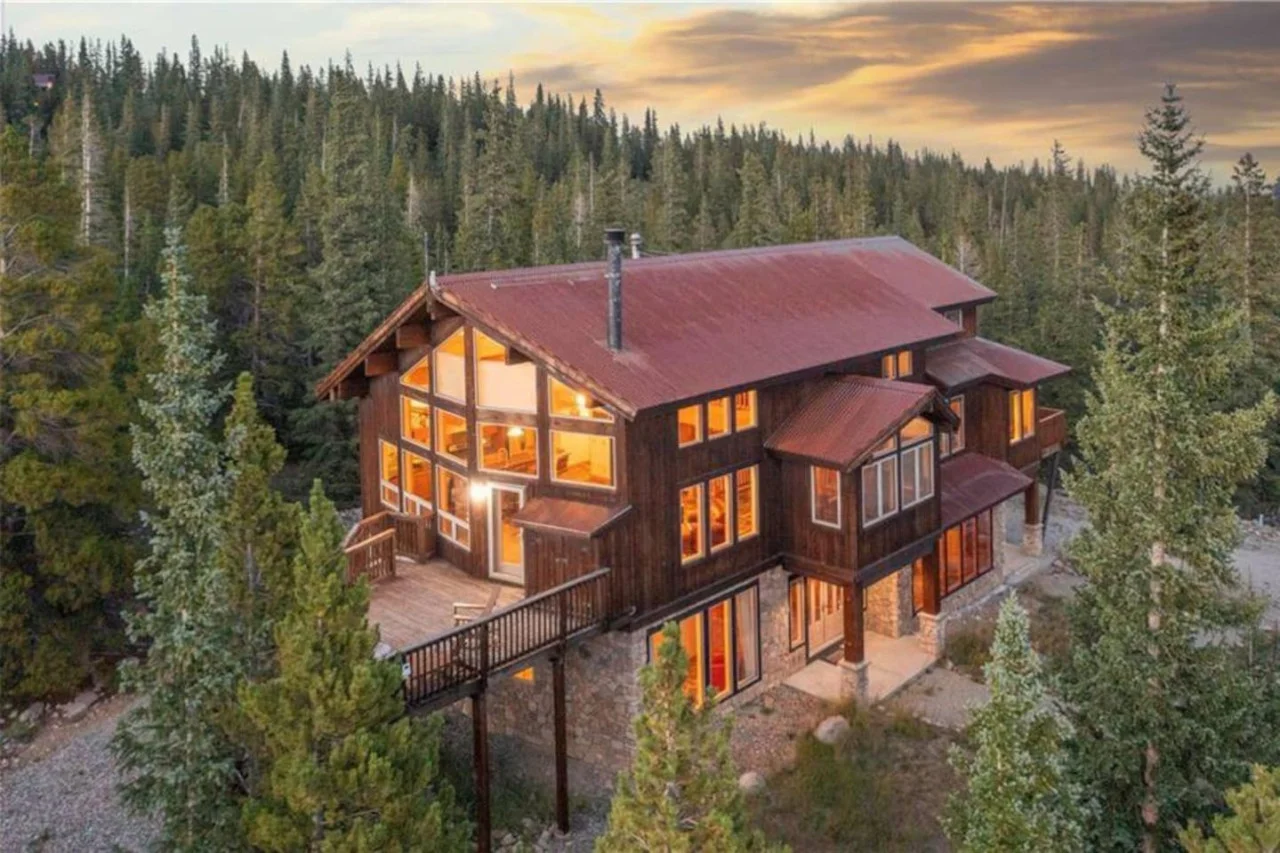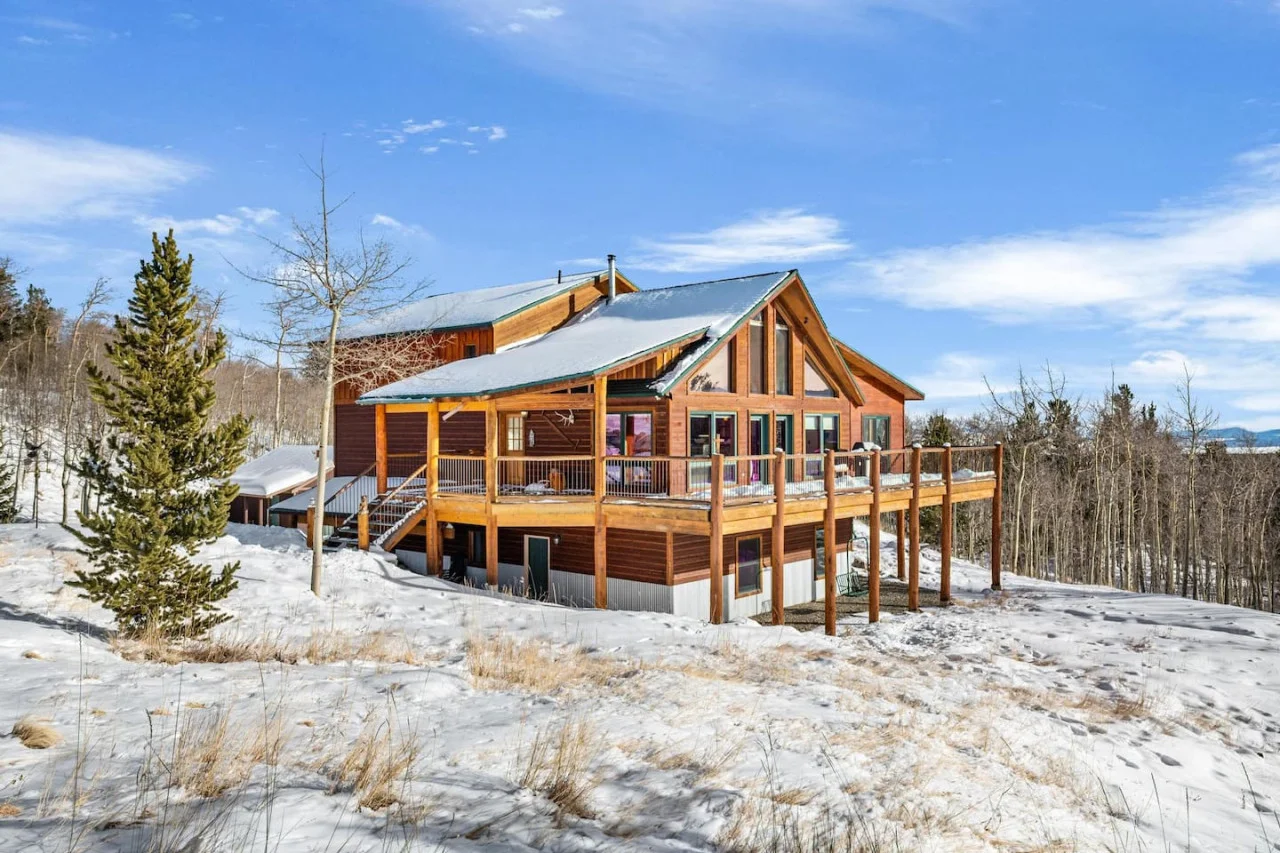
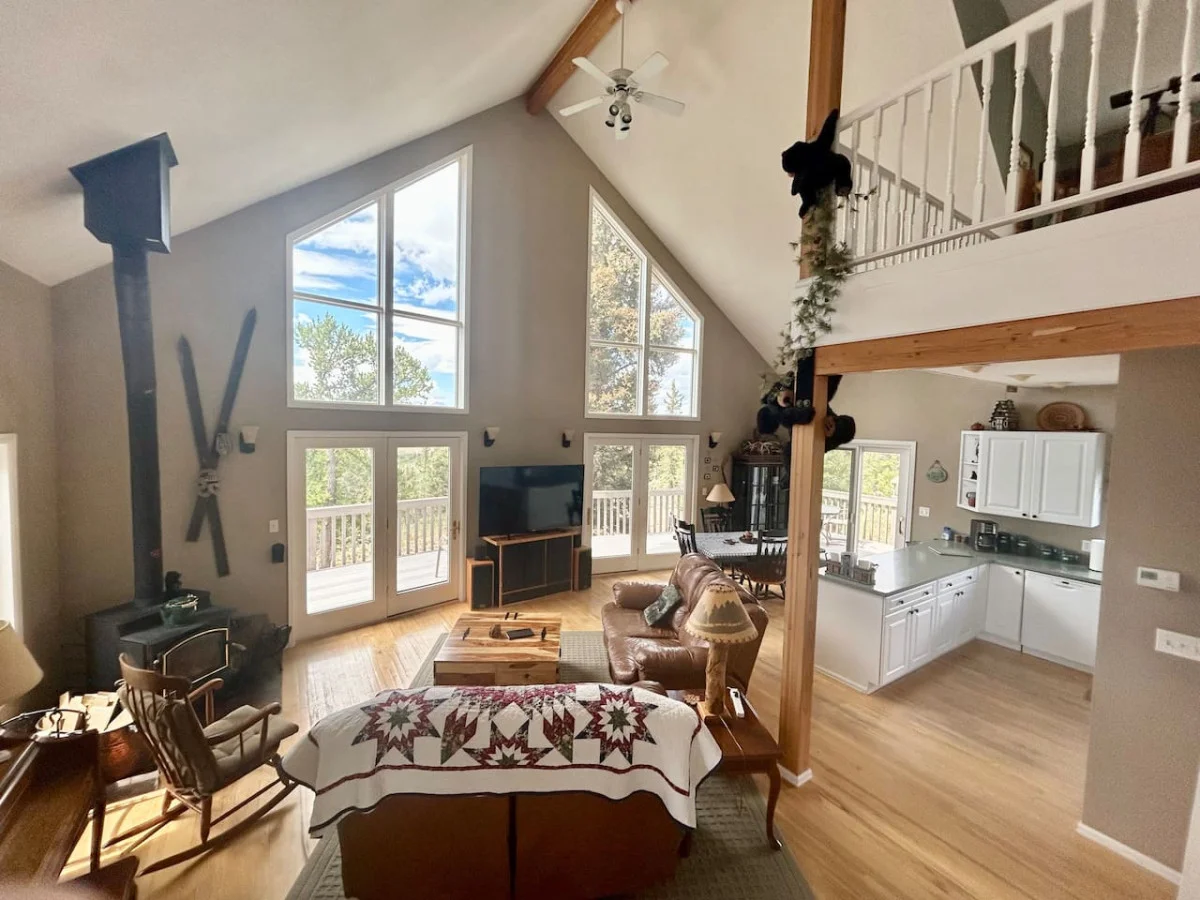
Featured photograph: Warm Mountain Escape Secluded Peaceful Hot Tub. View this Jefferson home. Actual Peak Property listing photograph.
Leaving a mountain home should not mean wondering whether a small problem is going unnoticed. For second-home owners in Fairplay, Alma, Como, and Jefferson, the time between visits can be the hardest part of ownership to manage.
A camera can show the driveway. A thermostat can report a temperature. Neither provides a complete picture of what is happening inside and around the cabin. Home watch adds scheduled visits, documented observations, and a clear process for contacting you when something needs attention.
Whether you rent occasionally or keep the property entirely for family use, a practical care plan begins with the home’s systems, access, and periods of vacancy.
Home watch, cleaning, and rental management serve different purposes
These services can work together, but one should not be assumed to include the others. A clean home may still have a developing leak. An attractive booking calendar does not show whether a vacant property has been checked after difficult weather.
| Service | Primary purpose | What to clarify |
|---|---|---|
| Turnover cleaning | Prepare the home between guest stays | Which condition checks and damage reports are included? |
| Home watch | Observe the property during scheduled visits while you are away | What is checked, how often, and what report will you receive? |
| Vacation rental management | Coordinate the rental business and agreed local operations | How are inspections, guest support, maintenance, and owner visits handled? |
Ask for a written scope. Visits, repairs, emergency attendance, snow removal, and contractor supervision may be separate services. Clear expectations are more useful than assuming a broad promise covers every situation.
Start with a property-specific checklist
A Park County cabin with a steep driveway, propane heating, and private water systems needs a different checklist from a home with different utilities and easier access. Record where the important controls are, who services each system, and what should trigger a call to the owner.
Peak Property’s home watch service describes scheduled visual checks, checklist and photo reporting, and prompt alerts when an urgent issue is found. The visit plan and frequency are tailored to the property and the owner’s preferences. This is useful for both privately used second homes and homes that sit empty between reservations.
See Peak Property’s home watch service and sample inspection coverage
A practical plan can include observations of:
- Doors, windows, locks, and visible signs of unexpected entry.
- Heating operation, thermostat settings, and unusual indoor conditions.
- Visible leaks, water intrusion, or changes around plumbing fixtures.
- The condition of accessible appliances and utility areas.
- Visible storm effects, fallen branches, and exterior concerns.
- Driveway and walkway access, within the agreed inspection scope.
- Signs of animal or pest activity.
- Items needing repair before an owner or guest arrives.
A visual visit is not a technical inspection of concealed systems. Licensed trades should handle specialist diagnosis and repairs. The value of home watch is noticing and documenting observable concerns, then arranging the agreed next step.
Plan for winter before the cabin is empty
Winter preparation should establish who is responsible for heating service, snow removal, and access. Confirm how the home’s heating arrangement should be managed during vacancy with the relevant service professional. Keep contact information and operating instructions available to the person checking the home.
Discuss what happens if the driveway cannot be reached safely. A scheduled visit and an emergency callout are different commitments; both need clear expectations about access, communication, and additional costs. Avoid relying on an informal assumption that someone will stop by after every storm.
Temperature or leak alerts can be useful additions. They need a response plan: who receives the notification, who calls the owner, and who is authorized to arrange help? A sensor that sends an alert to an unattended inbox cannot resolve the underlying issue.
A real Park County example: caring for a secluded home
The photographs in this guide come from Peak Property’s existing listings in Jefferson and Como. A secluded setting is part of the appeal of a mountain stay, and it also makes access instructions and local coordination important subjects for the ownership plan.
The point is not that every secluded cabin has the same needs. It is that the person overseeing the home should understand its actual driveway, systems, service contacts, and agreed boundaries. Listing photographs illustrate the homes; they are not evidence of a particular inspection history or service outcome.
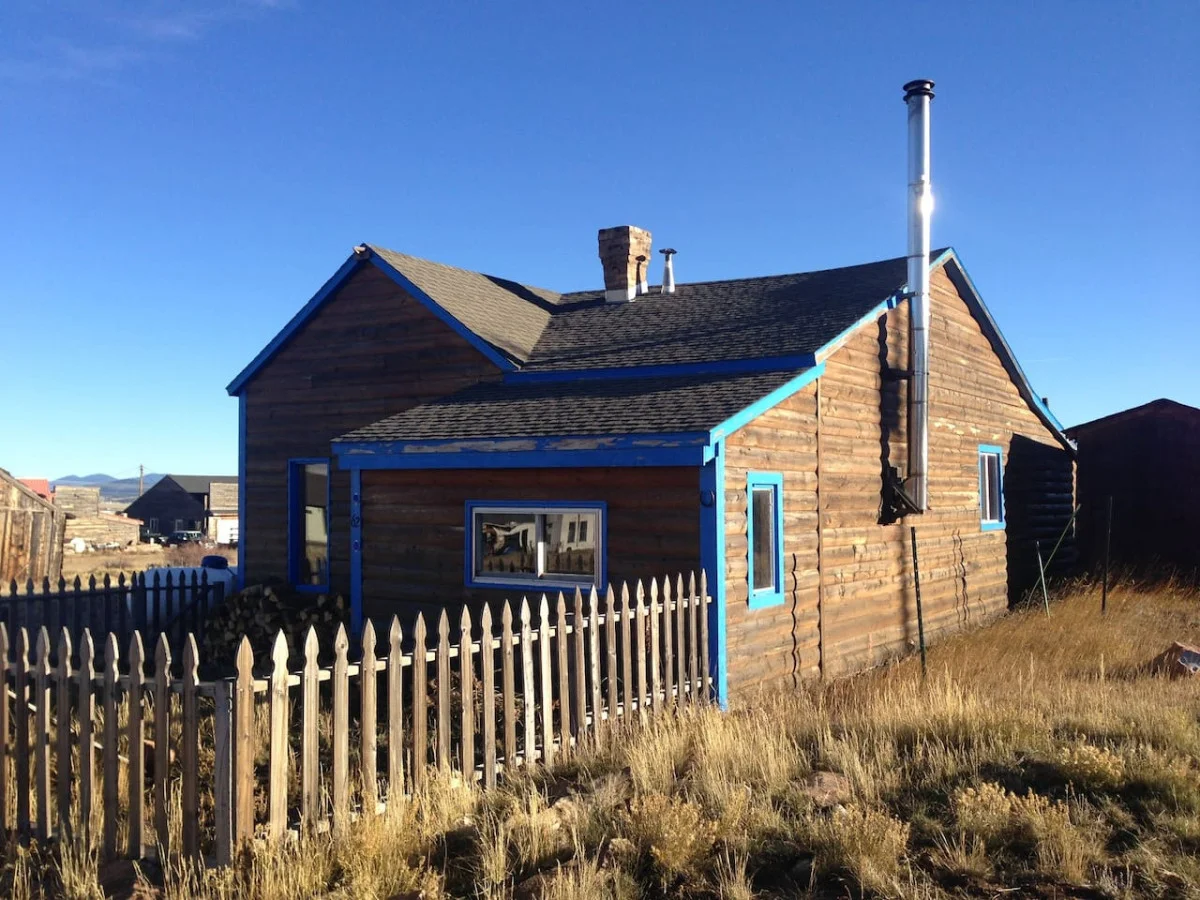
View the Jefferson mountain escape featured here
View the historic cabin in Como
Decide how often the home should be visited
There is no single schedule that fits every owner. Consider the length of your absence, the season, the building’s condition, remote-monitoring equipment, recent maintenance, and your tolerance for a problem remaining undetected between visits.
Ask your insurer whether any vacancy or inspection conditions apply to your policy. Then agree a visit frequency and reporting process that fit your circumstances. Do not assume purchasing a home watch plan automatically satisfies an insurance requirement.
If you rent occasionally, explain when a guest calendar block means the property is occupied by you and when it means the home is empty. A shared schedule helps avoid unnecessary visits and makes handoffs between cleaners, guests, and home watch staff clearer.
Useful reporting tells you what needs a decision
A short message saying “everything looks fine” is less helpful than a consistent record. Ask for dated visit notes, relevant photographs, and a distinction between routine observations and concerns that need action.
For example, a report might identify visible moisture under a sink, describe what was observed, and request approval to contact a plumber. It should not present a diagnosis that has not been made. Consistent documentation also helps owners spot recurring issues rather than treating every visit as an isolated event.
- Agree how urgent concerns will be communicated.
- Set repair approval and spending limits in writing.
- Keep primary and backup owner contacts current.
- Record vendor appointments and follow-up responsibilities.
- Confirm who verifies that an approved repair was completed.
Prepare for your next arrival
A care plan can also make personal visits easier. Tell the team when you expect to arrive and ask which preparation tasks can be arranged. These might include coordinating cleaning, checking access, or flagging unresolved maintenance before you travel.
Keep arrival preparation separate from the routine inspection checklist so the work and charges are clear. The goal is a home that is ready for your visit, supported by accurate information about anything still needing attention.
Questions to ask before choosing a home watch provider
Who will visit this property, and what happens when that person is unavailable? What areas are included in the visual check? How is access handled? What report will I receive? Are post-storm visits, contractor coordination, or emergency attendance included or separately arranged?
Also ask how the provider handles keys, access codes, privacy, and photographs. A good plan should respect your property and make it easy to understand what has been checked and what has not.
Build a care plan for your Park County second home
Peak Property Management can discuss scheduled home watch and local coordination for qualifying properties in its service area. Share your home’s location, how often you use it, its main systems, and the concerns you want the plan to address. Coverage, visit frequency, and additional services should be confirmed for the individual property.
Learn about Peak Property’s services for Park County homeowners