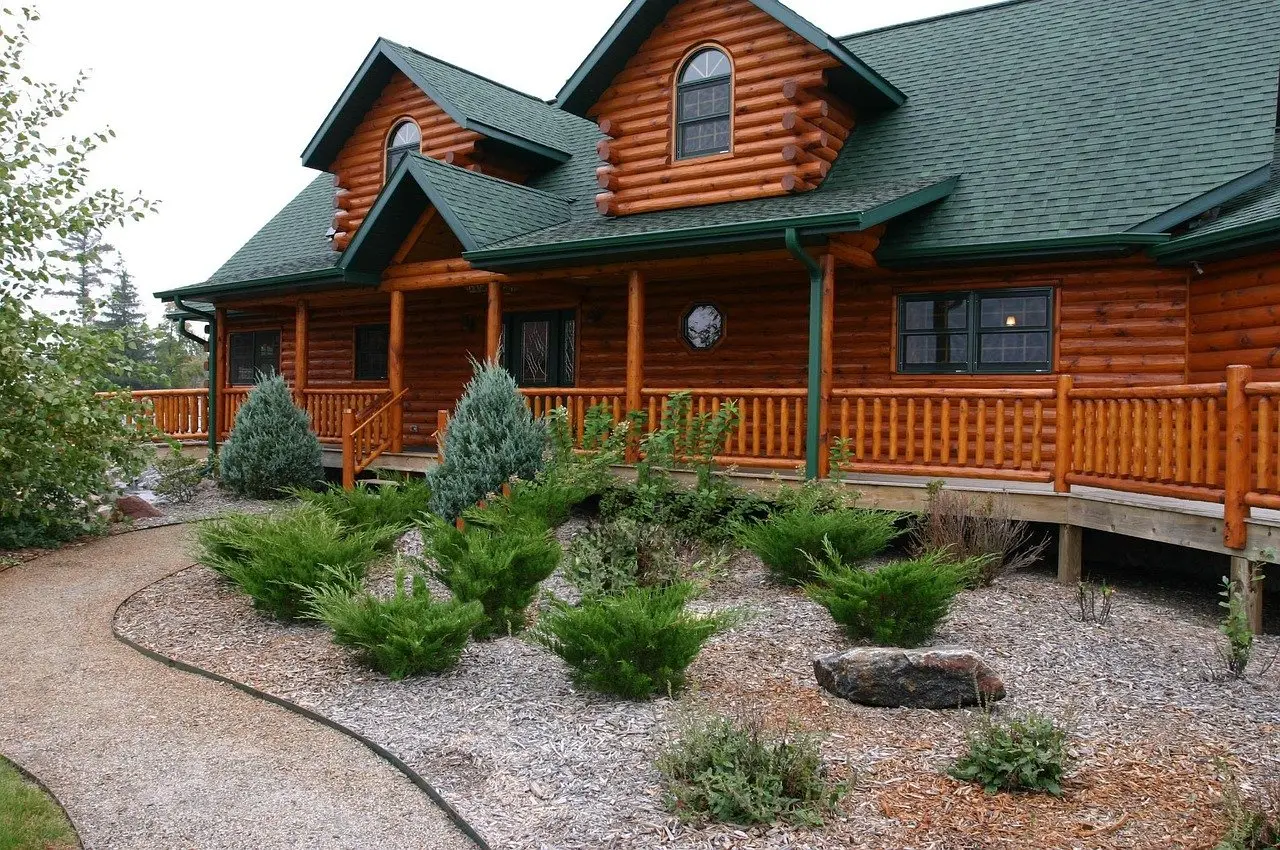

Owning a mountain home in Park County can be very rewarding. It can also be a lot of work, especially if you live several hours away. Winter weather can change quickly, and small problems can affect your home, your guests, and your next booking. Good property management is about more than creating a listing and arranging cleanings. It should protect your home, keep it ready for guests, follow local rules, and help you earn steady rental income.
This guide is for homeowners in Fairplay, Alma, Como, Jefferson, Bailey, Lake George, Hartsel, and nearby Park County communities. It explains the everyday work involved in caring for and renting a mountain home in 2026.
Why Park County homes need a different management plan
Park County homes are not all the same. A cabin near Fairplay, a home in Alma, and a quiet property outside Jefferson may attract different guests and have different needs. Road conditions, steep driveways, wells, septic systems, wildfire risk, phone service, and distance from local contractors can all affect how a home should be managed.
The plan should start with your home. A local manager needs to know how guests reach it during winter, which systems need regular checks, what rules apply, and what makes the location special. A one-size-fits-all approach does not work well in Park County.
1. Find out which local rules apply
First, find out whether your home is in unincorporated Park County or inside a town. Homes in unincorporated areas follow Park County's short-term rental rules. Fairplay and Alma have their own rules. A mailing address may not clearly show which rules apply, so check before you apply for a license, advertise the home, or renew an existing permit.
This is especially important if you are buying a home in Fairplay because the town limits the number of short-term rental permits. Check that a permit is available before you buy a property based on expected vacation-rental income. Homeowners in Alma should also check the town's current requirements instead of assuming that county rules apply.
2. Keep track of licenses and deadlines
Short-term rentals in unincorporated Park County need a license. The application may require documents such as the deed, property-tax receipt, sales-tax license, septic records or certificate of occupancy, a floor plan, and plans for parking, trash, and snow removal. Keep these documents together so they are easy to find when you apply or renew.
Treat your renewal date as seriously as an insurance or mortgage deadline. Plan to submit the renewal and fee at least 30 days before the license expires. Missing the deadline could mean starting the full application process again. Repeated complaints or emergency calls can also lead to more checks when the license is renewed.
- Record the license expiration date and begin renewal preparation at least 60 days ahead.
- Keep ownership, tax, septic, occupancy, parking, trash, and snow-removal records in one property file.
- Update the listing and house rules whenever the permit or layout of the home changes.
- Keep a simple record of complaints, repairs, and how each problem was solved.
- Check the current county or town requirements before every renewal.
3. Treat winter access as part of the guest experience
A beautiful home can still receive a poor review if guests cannot safely reach it. Some Park County roads receive limited maintenance, and snow near the driveway may become the owner's responsibility. Decide who will plow, how much snow will trigger service, where the snow will go, who clears the steps and walkways, and what to do if a storm blocks access.
Tell guests about winter driving conditions before they arrive. Let them know if four-wheel drive or traction equipment is recommended, where they should park, and whom to call if they have trouble. The manager should check the driveway before arrival instead of waiting for a guest to report a problem.
4. Prevent costly problems
Mountain homes need regular checks between stays and while they are empty. Keep the home warm enough to prevent frozen pipes, watch the plumbing areas most likely to freeze, and inspect the property after very cold weather. There should also be a clear plan for power outages, heating failures, and other urgent problems.
Many rural homes use wells and septic systems. Guest numbers should stay within the home's approved capacity, and guests should receive simple instructions on protecting the septic system. Water or drainage problems should be handled quickly. Smoke alarms, carbon-monoxide alarms, fireplaces, decks, hot tubs, outdoor steps, locks, and basic supplies should be checked regularly throughout the year.
5. Prepare for wildfire season
Wildfire is part of mountain-home ownership. Keep the area around the home clear of dry leaves, branches, and other materials that burn easily. Maintain vegetation, keep the driveway and address sign easy to see, follow local fire restrictions, and give guests clear rules for grills, fireplaces, fire pits, and other open flames.
6. Market the experience, not just the number of bedrooms
Travelers looking at Park County may also be comparing homes in other Colorado mountain areas. A general cabin description may not give them a reason to choose your property. Show what makes the home special, such as mountain views, privacy, a workspace, dog-friendly features, nearby fishing or trails, a hot tub, good stargazing, a family-friendly layout, or easy access to Fairplay and Alma.
Do not keep the same price for the whole season. Weekends, holidays, school breaks, local events, weather, booking lead time, and nearby competition can all affect demand. Adjusting rates and minimum stays can help fill more nights without underpricing the home. The goal is to balance nightly rates, occupancy, care of the property, and your own priorities.
7. Respond quickly when guests need help
Quick help can save a guest's stay and protect your reviews. A broken lock, cold hot tub, tripped breaker, plumbing problem, or snow-covered driveway can become the main thing a guest remembers. Make sure someone answers after hours, trusted contractors can reach the home, and urgent repairs can be approved without long delays. After the repair, follow up with the guest to make sure the problem is solved.
What to ask a Park County property manager
- Which Park County communities do you actively serve, and how quickly can your team reach this property?
- Who keeps track of license deadlines, lodging taxes, sales taxes, and changes to local rules?
- How do you coordinate snow removal, inspections, cleaning, maintenance, and after-hours calls?
- How do you protect empty homes from frozen pipes and other winter problems?
- How do you set prices, improve listings, advertise the home, and report results to owners?
- How are repairs approved, recorded, and explained to the owner?
- Will the management plan be adjusted to fit my home and my priorities?
When a property manager may be worth it
A property manager can be especially helpful if you live far away, do not have enough time, find the local rules difficult to manage, or do not have trusted local contractors. Management may also help if bookings have slowed, reviews mention problems that could have been prevented, or coordinating cleaners and repairs is taking too much of your time. When comparing your options, consider more than the management fee. Think about your time, the care of the home, possible risks, and the income each option may produce.
Start with a review of your Park County home
Every Park County home is different. Peak Property Management can review the location, condition, winter access, current listing, maintenance needs, and your income goals. We can then suggest a practical management plan built around your property.