Two empty nights between winter reservations can be surprisingly difficult to fill. A traveler may want exactly those dates, yet a minimum-stay rule or arrival restriction can prevent the booking. In other cases, the home is available but the total price makes a short visit hard to justify.
Before lowering your winter rates, find out which problem you actually have. A focused review of the gaps, booking settings and cost of each additional stay can help you recover worthwhile reservations while protecting the dates with stronger earning potential.
Start with the nights a guest can actually book
Open your calendar and identify every unreserved stretch over the next six to eight weeks. Record its arrival date, departure date and number of nights. Separate genuine vacancies from owner visits, maintenance closures and preparation time that your team needs.
Then search for each gap as a guest would, using the correct party size on your direct-booking site and the channels where the home is listed. An empty square in the management calendar does not prove that a traveler can reserve it.
Consider this hypothetical December 2026 calendar. Dates describe arrival and departure; the departure date is not an occupied night.
| Arrival | Departure | Nights | Calendar position |
|---|---|---|---|
| December 18 | December 22 | 4 | Existing reservation |
| December 22 | December 24 | 2 | Open gap |
| December 24 | December 29 | 5 | Existing reservation |
| December 29 | December 31 | 2 | Open gap |
| December 31 | January 4 | 4 | Existing reservation |
A three-night minimum makes both two-night gaps impossible to book as shown. Reducing the nightly rate would leave that obstacle in place. A targeted two-night exception could make the dates available, provided the arrivals, departures and turnovers are workable.
Adjust the specific gap and protect the surrounding calendar
Airbnb supports custom stay-length settings, including shorter stays for selected dates. Its availability controls also include advance notice, preparation time and restricted arrival or departure days. These settings can affect whether a gap is bookable.
Ask your manager which system controls each channel’s settings, then check the guest-facing result after any change. Review the minimum stay together with arrival and departure restrictions; changing only one may leave the same dates unavailable.
Use more care when a short booking would cut a longer open period into smaller pieces. Accepting a two-night stay in the middle of an open holiday week may prevent a longer reservation. By contrast, a two-night gap already enclosed by confirmed bookings cannot accommodate a three-night stay unless an adjacent booking changes.
There is no single minimum stay that suits every home or every date. A large home with a lengthy turnover needs a different decision from a smaller condo. Check the rules that apply to your property and confirm cleaning capacity before opening shorter stays.
Work out what the extra stay would leave you
A gap booking has value when its additional revenue justifies its additional costs and does not displace a better realistic booking. Use the full reservation calculation, including the treatment of cleaning fees.
Here is an illustrative two-night stay. These amounts are assumptions, not Peak Property results or a recommended rate.
| Item | Amount |
|---|---|
| Accommodation revenue at $250 per night | $500 |
| Cleaning fee collected | $150 |
| Total revenue before lodging taxes | $650 |
| Assumed channel, payment and management charges combined | −$125 |
| Cleaning and laundry expense | −$150 |
| Additional supplies and utilities | −$25 |
| Contribution toward fixed costs and owner return | $350 |
The $350 is not final profit. Mortgage payments, insurance, property taxes, HOA dues and other fixed costs still need to be covered. The example assumes no other incremental costs and no displacement of a longer booking. Taxes collected for remittance are excluded from revenue.
Your actual charges may use different calculation bases. If a cleaning fee belongs to the manager, or an expense is already deducted from a channel payout, make sure it appears only once in the owner calculation. Agree on a minimum acceptable contribution before approving discounts.
Compare the price of the whole visit
For a two-night trip, a fixed cleaning fee has a larger effect per night than it does for a week. Compare the final guest total for the same dates and party size against genuinely similar homes. Include mandatory charges, and compare taxes consistently where shown.
Use homes with comparable location, bedrooms, access and amenities. A Fairplay-area cabin and a condo near a Vail lift offer different experiences. Countywide averages alone will not tell you whether your particular gap is priced sensibly.
If the total is uncompetitive, consider a modest adjustment restricted to those nights. Also check whether an existing guest would like to arrive earlier or leave later. Handle any extension through the appropriate booking channel and confirm the calendar and charges before accepting it.
Give a short-stay guest the details they need
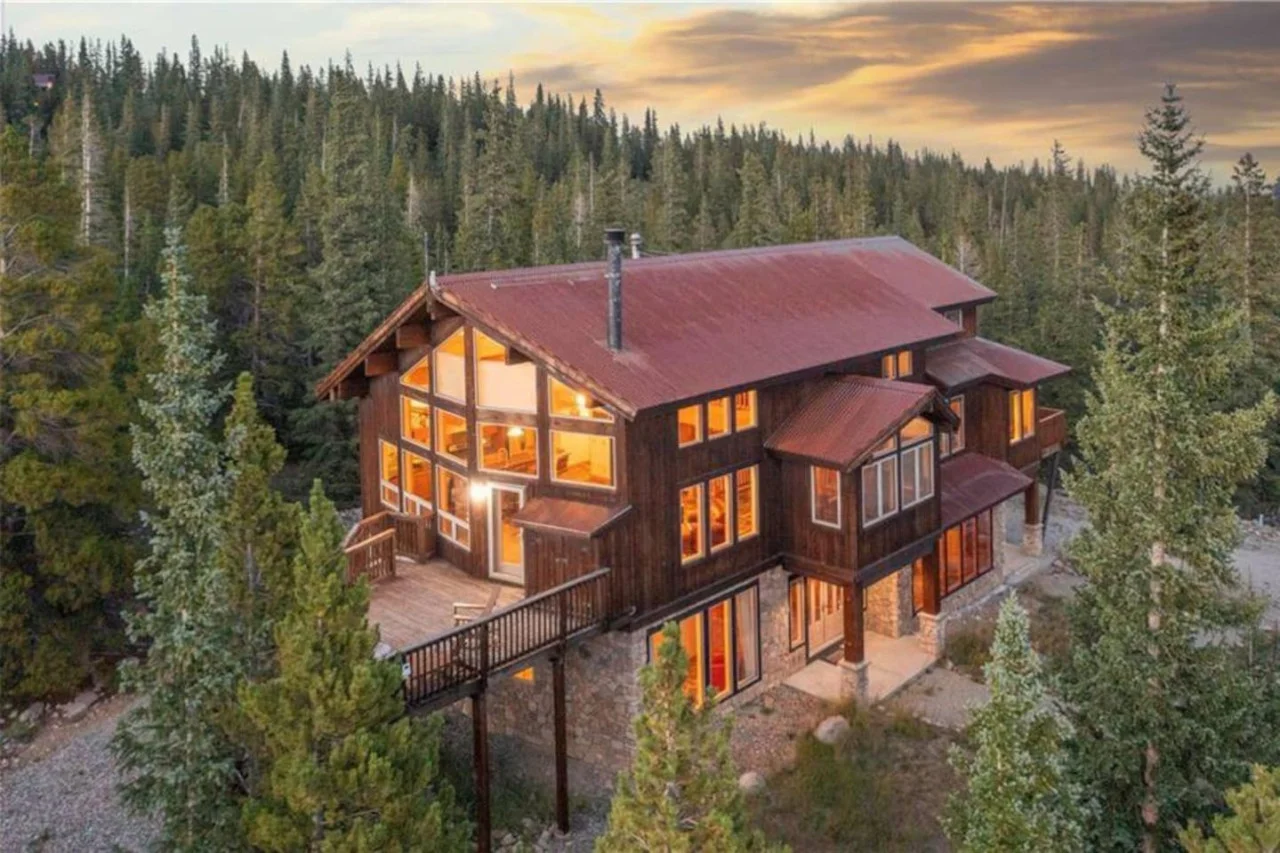
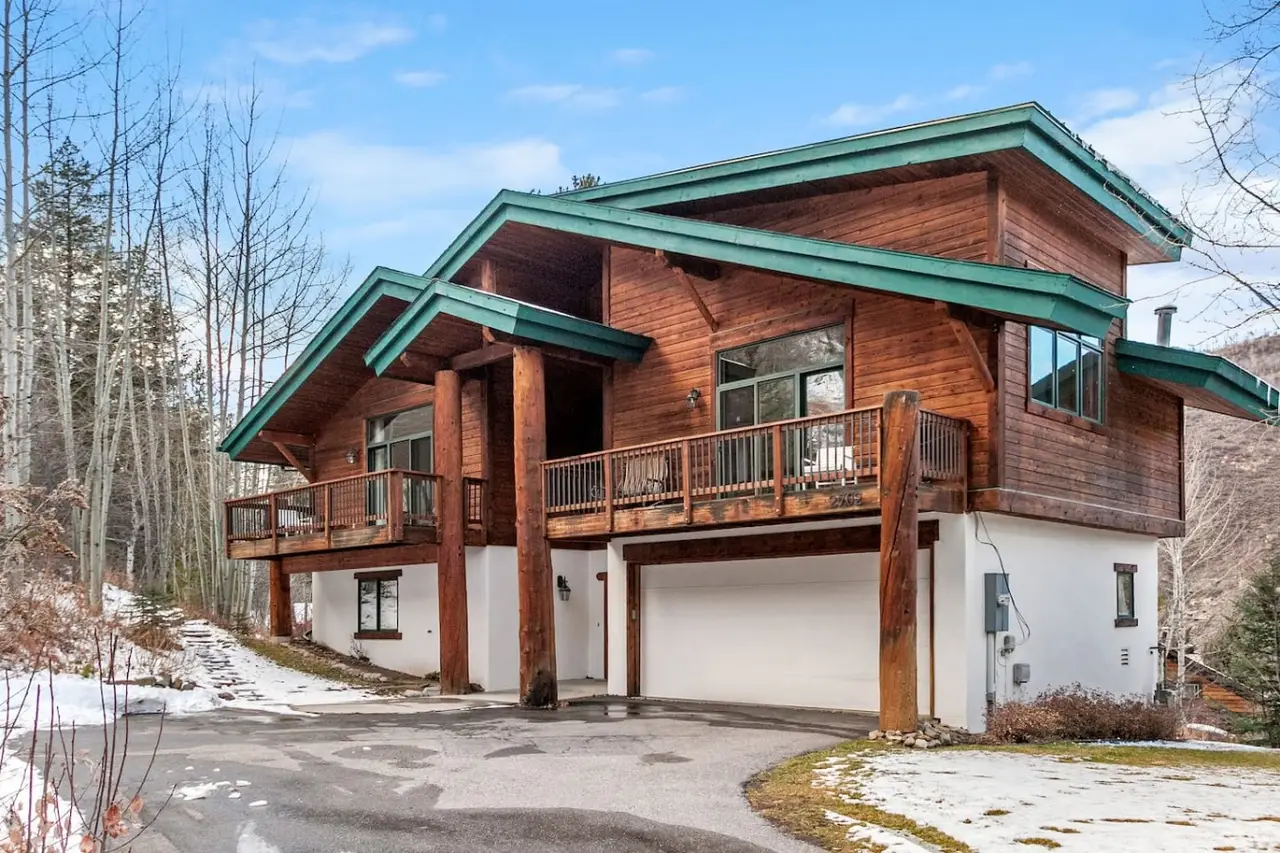
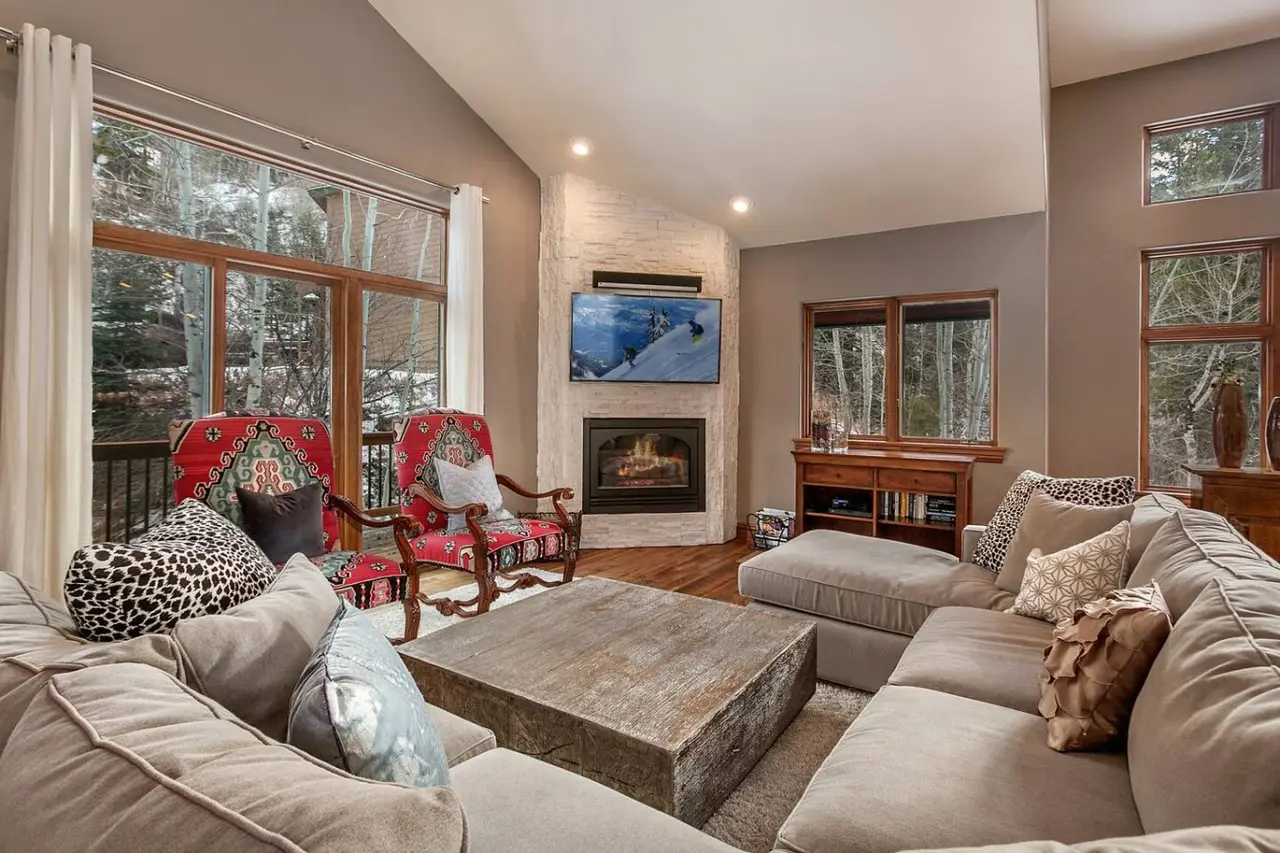
Make it easy to understand how a brief visit would work. Use current photographs of the actual home and clear descriptions of sleeping arrangements, parking, check-in and useful amenities. For winter stays, explain access and any practical arrival instructions accurately.
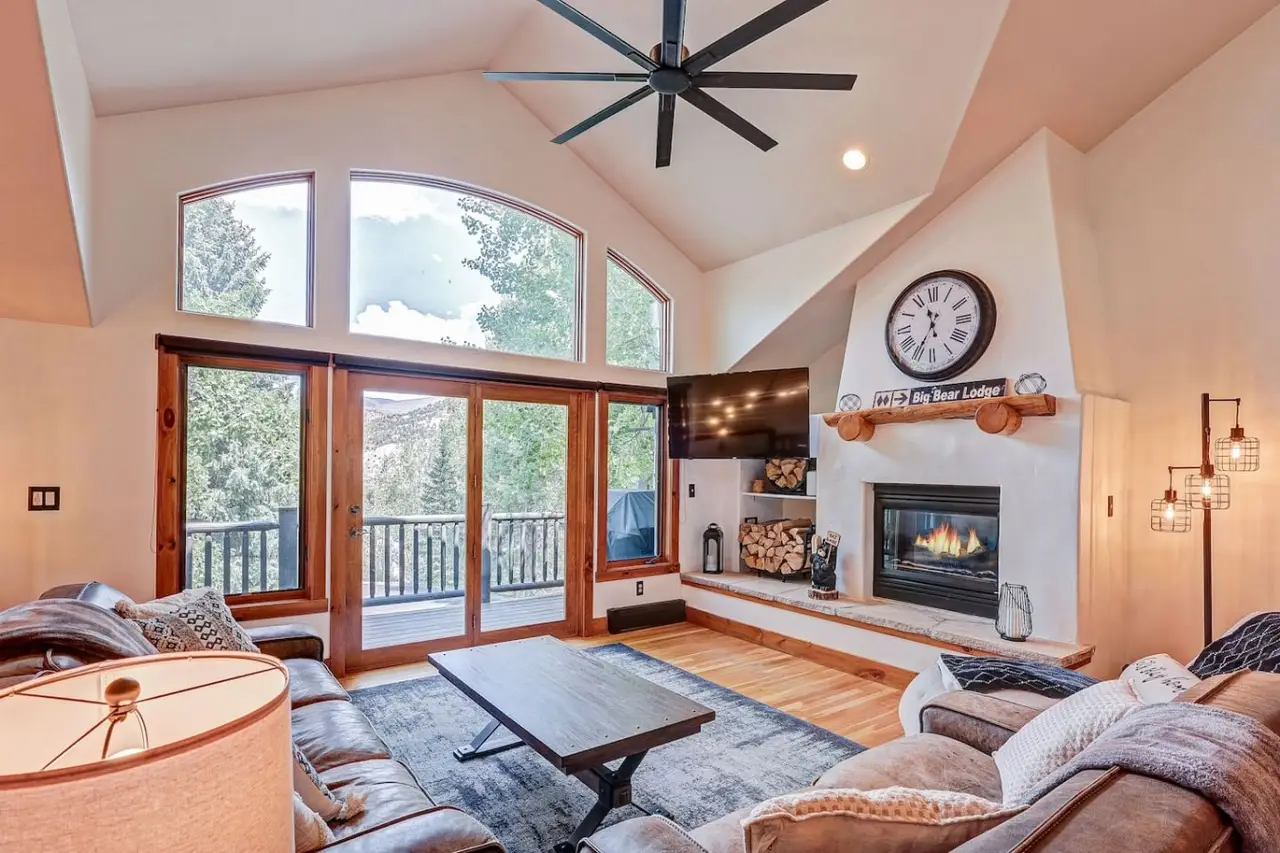
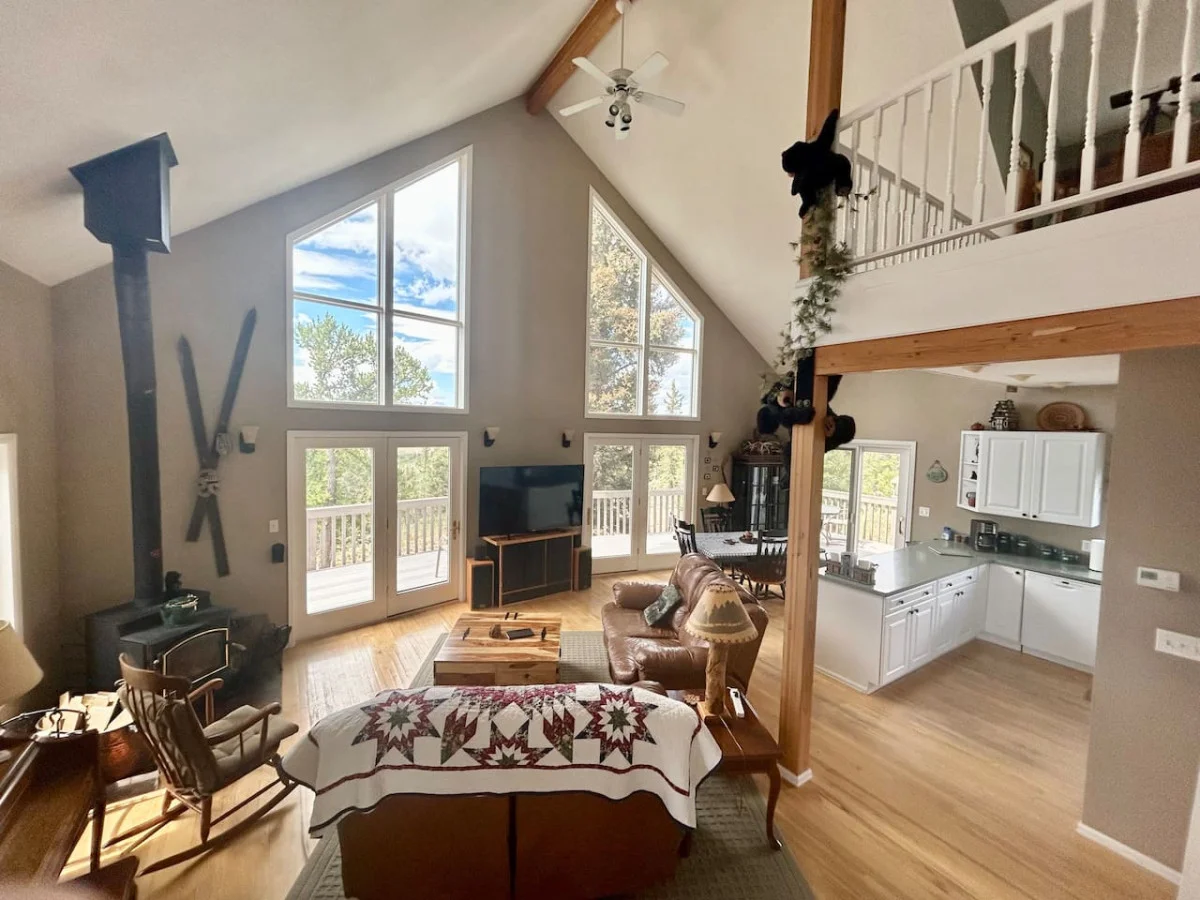
A guest considering a quick mountain break may care as much about a comfortable evening at the home as a day on the slopes. Show the living space and the features the property really offers. Avoid presenting an amenity, ski connection or travel time that has not been verified.
Promote specific available dates through your own website and appropriate marketing channels. Keep the description consistent with the listing and remove an offer once the dates are taken. A discount cannot compensate for confusing information or an unworkable arrival plan.
Make gap reviews part of the weekly routine
Ask your manager to review upcoming gaps regularly, with closer attention as arrival approaches or a cancellation reopens dates. Each gap should have a clear next step: check a restriction, adjust a price, offer an extension, improve the listing details or leave the dates unchanged for an operational reason.
Track the result as well as the action. Record nights filled, additional revenue, incremental costs and any effect on the neighboring dates. Over the season, that record can show which decisions worked for your home and which simply added turnovers.
For a broader look at winter planning, read our guide to preparing a Colorado vacation rental for an unpredictable ski season.
Review your winter calendar with Peak Property
If your calendar has gaps you cannot explain, start with a property-specific review. Contact Peak Property to discuss your home, upcoming availability and management needs. Bring the actual dates and current booking rules so the conversation can focus on changes that could make a practical difference.