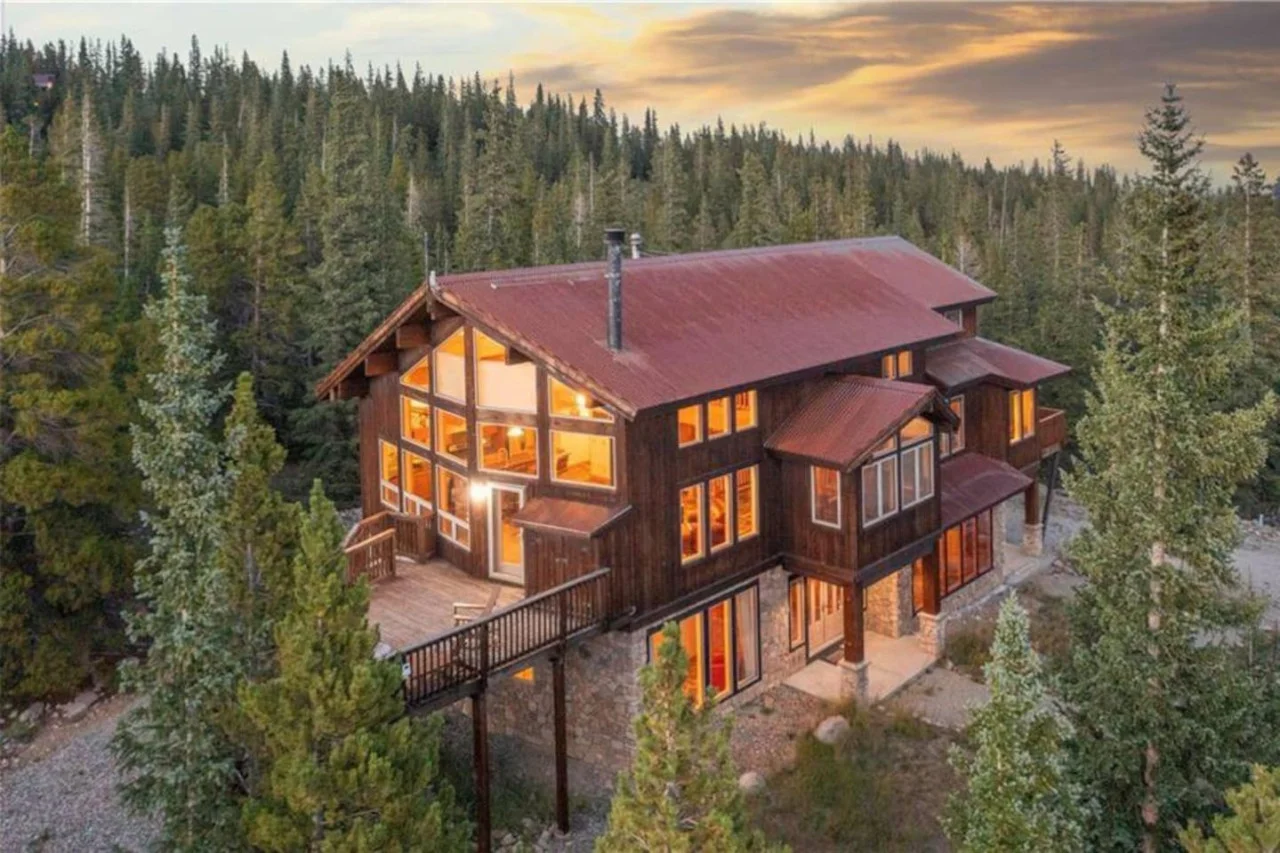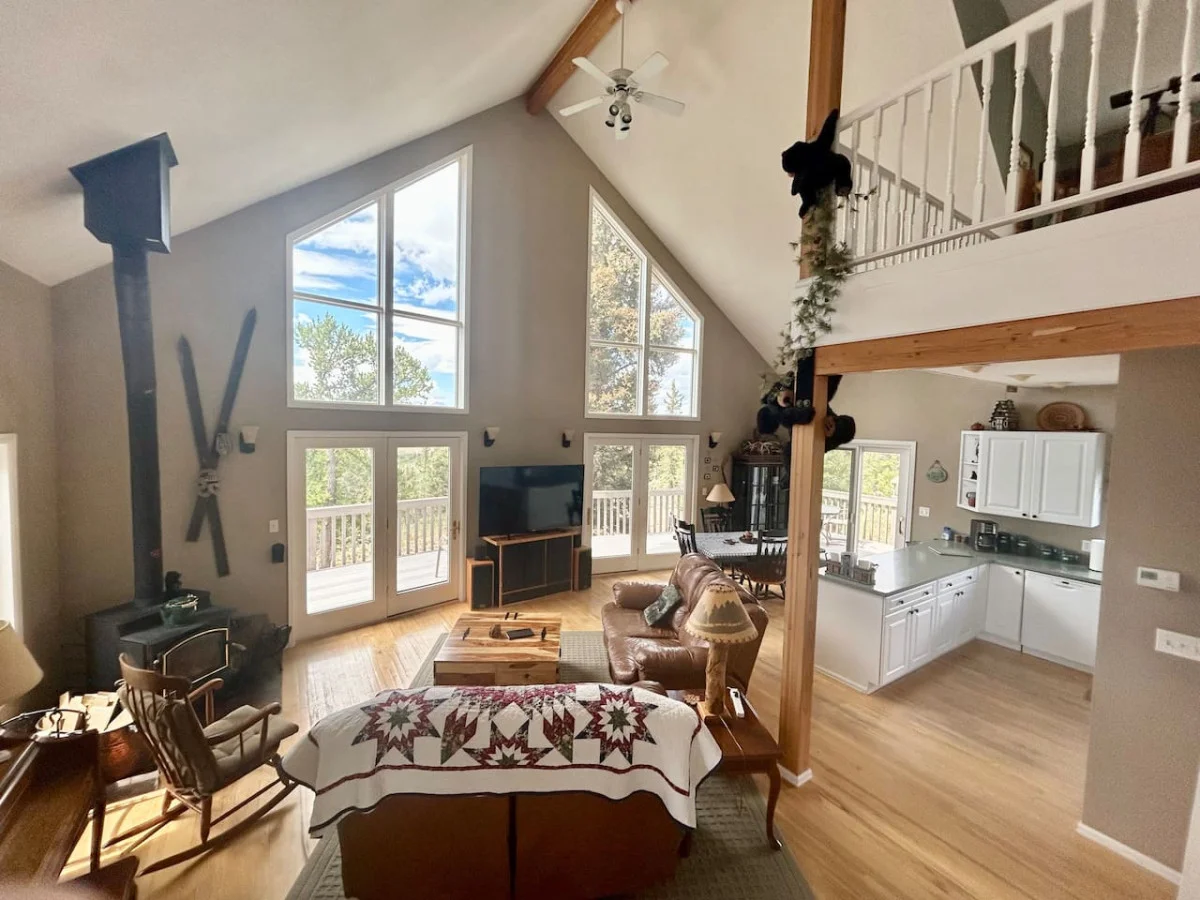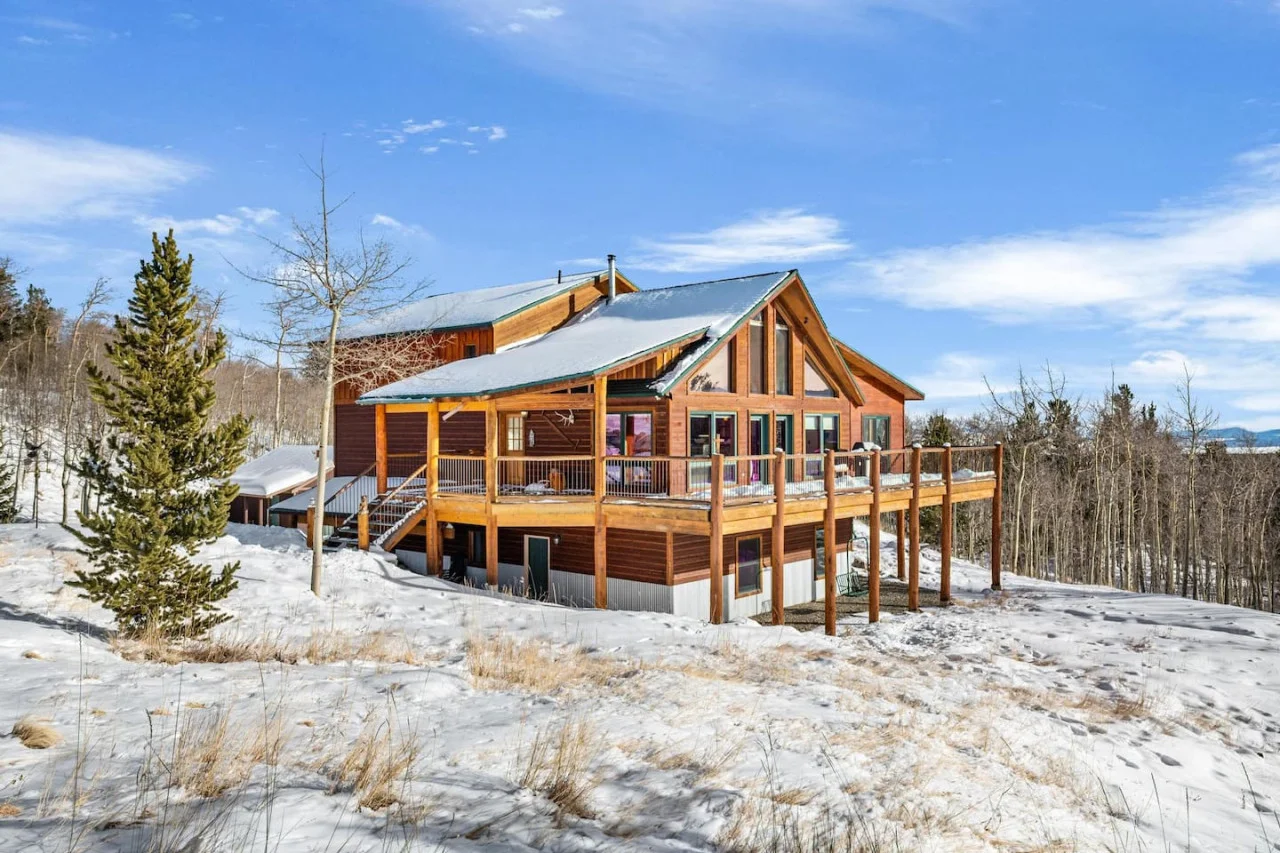

Owning a vacation rental in the Colorado mountains can be highly rewarding, but ski season does not always follow the calendar.
Snow can arrive late. Temperatures can stay too warm for efficient snowmaking. Resort opening dates can move. Guests can postpone trips or cancel reservations. At the same time, vacation rental owners are dealing with rising booking-platform costs and travelers who are increasingly careful about how much they spend.
The beginning of the 2026–27 ski season has already provided a reminder of this uncertainty. Breckenridge and Copper Mountain both postponed their planned November 6 openings after temperatures were not consistently cold enough for efficient snowmaking. Keystone and Arapahoe Basin, meanwhile, were able to begin operations earlier.
For homeowners in Summit, Eagle, Lake, Park, Jefferson, and Pitkin counties, the lesson is important:
A successful ski-season rental strategy cannot depend on snow alone.
Properties need flexible pricing, strong marketing, multiple booking channels, careful cancellation management, accurate guest communication, and a plan for protecting owner revenue when conditions change.
Here are seven areas every Colorado vacation rental owner should be thinking about this winter.
1. Don't assume the ski calendar will behave exactly as planned
Many homeowners build their winter revenue expectations around anticipated resort opening dates, holiday weeks, and historical demand.
But mountain weather does not operate according to a marketing calendar.
The delayed openings at Breckenridge and Copper Mountain are a good example. Both resorts had planned to open November 6, but warm overnight temperatures limited snowmaking and forced them to adjust.
That doesn't mean the winter season will be poor.
It does mean homeowners should avoid building their entire revenue strategy around assumptions that cannot be controlled.
A more resilient approach considers several scenarios:
- What happens if skiing begins later than expected?
- What if terrain opens gradually?
- What if guests wait longer before booking?
- What happens if snowfall suddenly improves and demand increases rapidly?
- Can your pricing respond quickly enough?
The best-managed vacation rentals are not simply priced once for winter and left alone. They are monitored continuously and adjusted as conditions change.
2. An empty calendar does not automatically mean your rate is too high
One of the easiest mistakes to make during an uncertain season is to panic when bookings slow down.
The immediate reaction is often:
“Lower the price.”
Sometimes that is the right decision.
But not always.
A property may be underperforming because:
- the listing is receiving too few impressions,
- the photographs are not competitive,
- minimum-stay requirements are too restrictive,
- the listing description is weak,
- competitors offer stronger amenities,
- the property is not available on enough booking channels,
- or guests are simply waiting to see what the weather does.
Dropping rates across an entire season can permanently sacrifice revenue on dates that may eventually sell at significantly higher prices.
A better strategy is to examine booking pace.
Ask:
How does this property compare with similar homes in the same market for the same dates?
If your property is dramatically behind comparable properties, intervention may be necessary.
If the entire market is booking slowly, aggressive discounting may accomplish little other than reducing revenue.
3. Protect high-value dates while managing weak periods differently
Not every winter night should be priced the same way.
Christmas week is different from an early-December Tuesday.
Presidents' Day weekend is different from an ordinary Wednesday in January.
A strong revenue strategy divides the calendar into different demand periods.
High-demand dates
Holiday periods and major ski weekends may justify strong rates if booking pace supports them.
Avoid discounting these dates simply because other parts of the calendar remain open.
Shoulder dates
Early December, midweek January dates, or selected March periods may need more active pricing.
Possible strategies include:
- shorter minimum stays,
- targeted weekday reductions,
- last-minute offers,
- length-of-stay incentives,
- or value-added packages.
Near-term vacancies
A vacant night seven days from arrival represents a different problem from a vacant night 90 days away.
Dynamic pricing should become increasingly responsive as an arrival date approaches.
The objective is not simply maximum occupancy.
It is maximum sustainable net revenue.
4. A reservation on the calendar is not always a completed stay
Another important trend is changing guest booking behavior.
Airbnb has expanded flexible payment options such as Reserve Now, Pay Later. The company has said these options encourage guests to book earlier, but Airbnb also reported that its overall cancellation rate has risen from roughly 16% a year earlier to approximately 19%.
For a vacation rental owner, this matters.
Imagine two properties that each show 75% future occupancy.
One ultimately keeps nearly all of those reservations.
The other experiences repeated cancellations shortly before arrival.
Their calendars may initially look identical, but their final financial performance can be very different.
Owners and managers should therefore monitor more than:
“How booked are we?”
They should also examine:
- cancellation rate,
- cancellation lead time,
- rebooking rate after cancellations,
- channel responsible for cancellations,
- and realized occupancy after cancelled stays.
This becomes particularly important for high-value winter reservations.
A cancelled Christmas or February ski-week reservation is much harder to replace than an ordinary shoulder-season booking.
5. Rising Airbnb and Vrbo costs make net revenue more important than gross bookings
Platform fees are also changing the economics of vacation rental ownership.
Vrbo moved affected software-connected hosts to a 12% commission structure beginning October 29, 2026.
Airbnb also uses a host-paid service-fee structure for many professionally managed properties.
That means owners should stop evaluating performance only by asking:
“How much gross revenue did the property generate?”
Instead ask:
“How much money remained after distribution costs?”
Consider two hypothetical bookings.
A booking platform generates a reservation worth $1,000 but charges substantial distribution costs.
A direct booking generates $950 but has considerably lower acquisition costs.
Depending on the actual costs involved, the $950 booking could potentially produce more net revenue.
That does not mean owners should abandon Airbnb or Vrbo.
Both platforms remain powerful sources of traveler demand.
The smarter approach is a balanced distribution strategy.
Use major booking platforms to reach travelers who do not already know your property.
At the same time, develop direct-booking capabilities that allow returning and independently acquired guests to book through your own channel.
6. Direct booking provides another layer of protection
An unpredictable ski season makes diversification especially important.
If your entire rental business depends on one booking platform, your revenue is exposed to that platform's:
- fee changes,
- algorithm changes,
- cancellation policies,
- promotion programs,
- and search visibility.
Direct booking gives homeowners another source of demand.
A strong direct-booking strategy can include:
- an easy-to-use booking website,
- competitive pricing,
- accurate live availability,
- repeat-guest marketing,
- destination content that attracts organic search traffic,
- email marketing to previous guests who have appropriately opted in,
- and an efficient checkout experience.
Direct bookings will not replace Airbnb or Vrbo overnight.
Nor should they necessarily do so.
The goal is to build a healthier booking mix over time so that the property is not completely dependent on a single source of guests.
7. Sell the Colorado experience—not only the ski lift
A vacation rental near a ski resort should obviously market skiing.
But an unpredictable snow season makes it risky to sell only skiing.
Colorado mountain destinations offer much more.
Depending on location and conditions, guests may also value:
- mountain-town restaurants,
- shopping,
- spas and wellness,
- scenic drives,
- fireplaces and hot tubs,
- family gatherings,
- holiday events,
- snowshoeing,
- cross-country skiing,
- hiking when conditions permit,
- local breweries,
- festivals,
- and simply spending time together in the mountains.
If a resort opening is delayed, guests should still understand why staying at your property can be worthwhile.
This is especially important for homes in places such as Breckenridge, Keystone, Vail, Beaver Creek, Avon, Edwards, Leadville, Aspen, Basalt, Fairplay, Alma, and Colorado's other mountain communities.
Great vacation-rental marketing sells the entire destination experience, not just access to one chairlift.
Communication becomes especially important when conditions change
Guests dislike uncertainty.
They dislike inaccurate information even more.
If ski terrain is limited, say so.
If a resort delays its opening, don't continue advertising an outdated opening date.
If nearby skiing is available elsewhere, tell guests.
When conditions change, proactive communication can preserve guest confidence and sometimes prevent cancellations.
A professional property manager should be monitoring:
- resort announcements,
- road conditions,
- major weather developments,
- local events,
- operating hours,
- and other information that could materially affect a guest's stay.
Accurate communication protects both the guest relationship and the homeowner's reputation.
What should Colorado vacation rental owners be watching this winter?
Instead of relying on one number, owners should evaluate their property using a complete performance picture.
Important metrics include:
Occupancy — How many available nights are actually being booked?
ADR — What is the average nightly rate?
RevPAR — How much revenue is generated for every available night?
Booking pace — Are reservations coming in faster or slower than comparable properties?
Booking lead time — How far in advance are guests booking?
Cancellation rate — How many reservations actually become completed stays?
Channel mix — What percentage comes through Airbnb, Vrbo, Booking.com, direct booking, or other sources?
Distribution cost — How much revenue is being paid to booking platforms?
Owner net revenue — After all those factors, how much does the property actually produce?
That last number is the one that matters most.
Professional management matters more when the market becomes unpredictable
Managing a vacation rental is relatively straightforward when demand is strong, snow is plentiful, and reservations arrive automatically.
Professional management becomes more valuable when conditions become difficult.
An active management strategy should be able to:
- respond quickly to changes in demand,
- adjust rates without panic discounting,
- optimize Airbnb and Vrbo listings,
- expand distribution when appropriate,
- build direct-booking demand,
- monitor cancellations,
- communicate rapidly with guests,
- manage local compliance,
- coordinate cleaning and maintenance,
- and protect the owner's long-term profitability.
The goal is not simply to fill nights.
It is to make informed decisions about which nights to fill, at what price, through which channel, and at what cost.
The bottom line
No property manager can control Colorado's weather.
No homeowner can guarantee how much snow will fall or precisely when every ski resort will open.
But owners can control how prepared their vacation rental is when conditions change.
A resilient property has:
- flexible pricing,
- strong listing presentation,
- diversified distribution,
- a growing direct-booking strategy,
- careful cancellation monitoring,
- accurate guest communication,
- and professional operational support.
An unpredictable ski season does not automatically have to become an unprofitable ski season.
But it does require more active management.
Is your vacation rental ready for winter?
Peak Property Management works with Colorado homeowners to manage pricing, guest experience, Airbnb and Vrbo distribution, direct-booking opportunities, property care, and local operations.
If you're unsure whether your property is positioned correctly for the 2026–27 ski season, we can review its current performance and identify opportunities to improve.
Request a Free Winter Vacation Rental Performance Review
We can evaluate your property's:
- current booking pace,
- occupancy,
- average nightly rate,
- cancellation exposure,
- Airbnb and Vrbo positioning,
- direct-booking opportunities,
- and potential areas of lost revenue.
Don't wait for the weather to determine your property's performance. Build a strategy that can adapt when the weather changes.