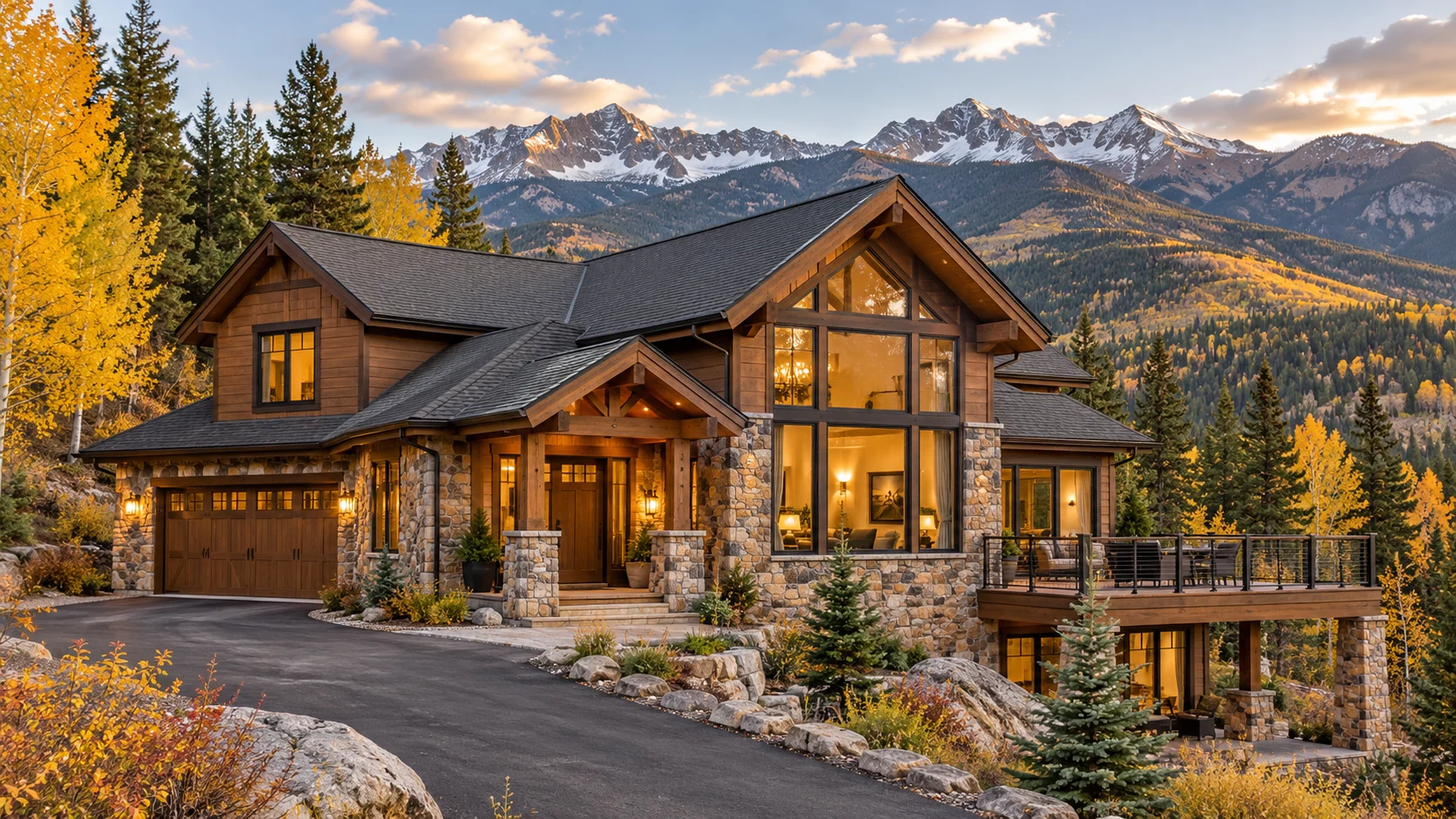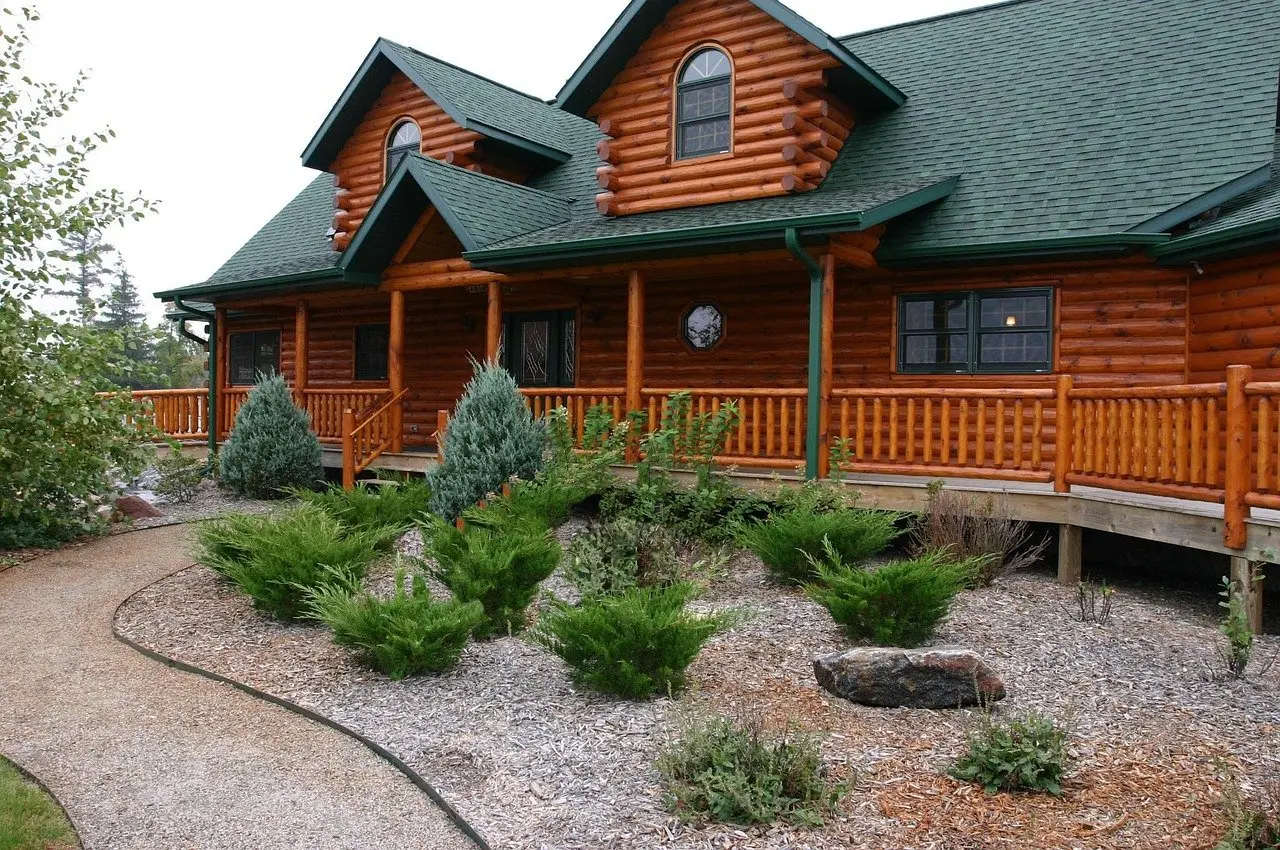

Colorado's 2026–27 ski season is already attracting attention. Keystone hopes to open as early as possible in October, followed by Breckenridge on November 6, Vail Mountain on November 13 and Beaver Creek on November 25. These are planned dates and can change with weather and mountain conditions.
There is also growing excitement around the developing El Niño. That may encourage travelers to think about Colorado earlier, but homeowners should not build their entire winter plan around a snow forecast. Weather can change quickly, and one mountain can have very different conditions from another.
The better strategy is to prepare a property that delivers a great stay whether guests arrive for deep powder, a family holiday, a quiet mountain weekend or a special event. Professional Colorado vacation rental management brings pricing, maintenance, marketing and guest care together before the first booking arrives.
Here is how Colorado vacation rental owners can prepare for the winter booking season and protect their earning potential.
Open the right dates before guests begin searching
Many winter travelers start planning long before the first major snowfall. They search around resort opening dates, Thanksgiving, Christmas, New Year, Martin Luther King Jr. weekend, Presidents' Day weekend and spring break.
Check that your calendar is open far enough in advance and that important dates have not been blocked accidentally. Owners sometimes lose valuable bookings because their calendar, minimum-stay rules or seasonal rates were never updated.
- Resort opening periods
- Thanksgiving week
- Christmas and New Year
- January and February holiday weekends
- School spring-break periods
- Major local events and competitions
- Late-season skiing and spring activities
Demand around a holiday or major event can be very different from a quiet midweek stay. This is particularly important in high-demand destinations such as Vail, where booking pace and guest expectations can change quickly.
Use a flexible pricing strategy
A fixed nightly price is easy to manage, but it can leave money on the table during strong demand and produce empty nights when demand is softer.
A better winter pricing plan should account for the day of the week, local events, holiday demand, booking pace, remaining availability, length of stay, comparable homes and changes in weather or snow conditions.
When demand is strong, rates can rise gradually. When bookings slow down, it may be better to offer a sensible discount, reduce a minimum stay or create a gap-filling offer instead of waiting until the last minute.
The goal is not simply to charge the highest possible nightly rate. The goal is to achieve the best balance between rate and occupancy across the season.
Make the home genuinely winter-ready
Guests expect a Colorado mountain home to be warm, safe and easy to use from the moment they arrive. A small maintenance problem during freezing weather can quickly become an emergency.
- Test heating systems and thermostats
- Service fireplaces, chimneys and fuel supplies
- Check smoke and carbon monoxide detectors
- Inspect water heaters and exposed plumbing
- Review roofs, gutters and drainage
- Seal windows and exterior doors
- Test exterior lighting
- Service hot tubs and secure their covers
- Confirm snow-removal arrangements
- Inspect driveways, steps, decks and railings
Confirm who will respond if the heat stops working at night, a pipe freezes or a guest cannot enter the property. A written emergency plan is far better than trying to locate a contractor during a holiday weekend.
Remove friction from the guest's arrival
Vail Resorts has placed greater emphasis on making the mountain experience more seamless, personal and convenient. Vacation rental owners should take the same approach inside the home.
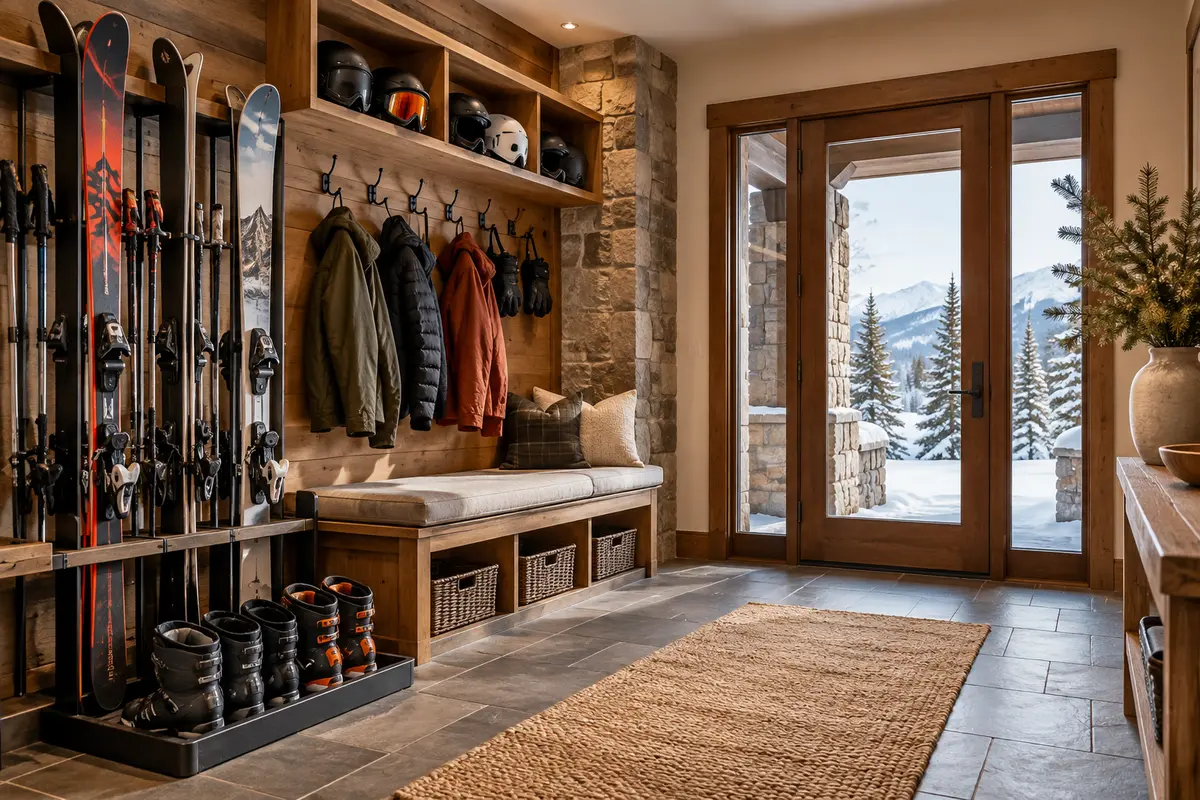
Guests may arrive after dark, during snowfall or after a delayed flight. They should not have to search for the correct building, struggle with a frozen lockbox or guess where they are allowed to park.
- Clear driving and parking directions
- A tested smart lock or entry code
- Good exterior lighting
- A shoveled and treated walkway
- Simple Wi-Fi instructions
- Clearly labeled thermostats and fireplaces
- Space for boots, coats, helmets and skis
- A local contact who answers promptly
These details may appear small, but they strongly influence reviews and repeat bookings.
Update the listing for winter search intent
Your summer listing description should not remain unchanged when travelers begin planning ski trips. Update the title, first paragraph, amenities and photographs to answer winter questions immediately.
- How far is the home from the ski area?
- Is a shuttle available?
- Is four-wheel drive recommended?
- Is the driveway professionally cleared?
- Where can guests store skis and boots?
- Does the property have a fireplace or hot tub?
- Is there covered parking?
- How many guests have proper beds?
- Is the kitchen suitable for family meals?
Avoid vague claims such as “close to everything.” Give useful information in minutes, miles or clearly described access points. Accurate expectations are especially valuable when marketing homes around Breckenridge, where travelers often compare access, parking and shuttle options before booking.
Compete on the complete experience, not snow alone
Snow is important, but it is not the only reason people visit Colorado's mountain towns. Owners can reduce their dependence on perfect ski conditions by showing guests what else they can enjoy.
- Dining and shopping
- Spas and wellness services
- Snowshoeing and Nordic trails
- Sledding and ice skating
- Scenic drives
- Museums and historic districts
- Family activities
- Remote-work amenities
- Nearby events and festivals
This is especially important for mixed groups in which not everyone skis. A well-positioned home in Beaver Creek or another mountain community can still attract couples, families and extended stays when conditions on the mountain are uncertain.
Stock the practical items winter guests appreciate
Guests remember homes that anticipate their needs. You do not need to fill the property with expensive gifts. Practical details usually create more value.

- Durable entrance mats
- Boot trays and coat hooks
- Extra blankets
- Humidifiers where appropriate
- Snow brushes and ice scrapers
- A well-equipped kitchen
- Flashlights and spare batteries
- Clearly designated hot-tub towels
- A starter supply of coffee and household products
- A current local guide
Inspect these items throughout the season. A property may be perfectly stocked in November and missing half its essentials by February.
Prepare your cleaning and maintenance team for quick turns
Winter turnovers can be more difficult than summer turnovers. Snow slows travel, wet boots create more cleaning work and heating or hot-tub issues may require immediate attention.
Confirm that the team has enough time, supplies and backup support. Create a checklist for cleaners to report damage, low supplies and maintenance concerns before the next guest arrives. The best time to discover a problem is during an inspection—not when a guest checks in.
Protect reviews with proactive communication
Winter guests need more information than a door code. Send useful messages before arrival with current check-in instructions, driving and weather guidance, parking rules, snow-removal expectations, what to bring, property-specific safety information and the best number for urgent help.
During the stay, make it easy for guests to report a concern. A fast response can turn a potential negative review into a positive story about good service. After departure, thank the guest and invite an honest review. Positive reviews improve trust and can increase conversion throughout the season.
Watch performance throughout the season
Winter strategy should not be set once and forgotten. Review occupancy, average nightly rate, revenue per available night, booking lead time, length of stay, listing views, conversion, cancellations, guest questions and review themes every week.
Compare current performance with the same period last year and with similar homes in the local market. If listing views are healthy but bookings are weak, the price or presentation may need attention. If views are low, the listing title, photographs, distribution or availability may be the problem.
What this means for Colorado mountain homeowners
The 2026–27 season brings reasons for optimism, including early winter planning, new resort experiences and strong interest in the snow forecast. But successful owners will not depend on weather alone.
Homes that are properly maintained, priced with care, clearly presented and supported by responsive local service are better positioned to earn strong reviews and repeat bookings.
Peak Property Management helps owners across Colorado's mountain communities prepare, market and care for their vacation rentals throughout the year. Request a property review to identify practical ways to improve your home's winter readiness and earning potential.