How Much Can Your Breckenridge Vacation Rental Earn in 2026?
Breckenridge remains one of the strongest vacation rental markets in Colorado, attracting millions of visitors annually for skiing, hiking, mountain biking, festivals, and year-round mountain experiences. For homeowners and investors considering short-term rentals, one question stands above the rest:
How much can your Breckenridge vacation rental actually earn in 2026?
The honest answer is: it depends on the property, location, amenities, management quality, and pricing strategy. However, available market data suggests that a well-positioned Breckenridge vacation rental can still generate substantial revenue in 2026 when operated professionally.
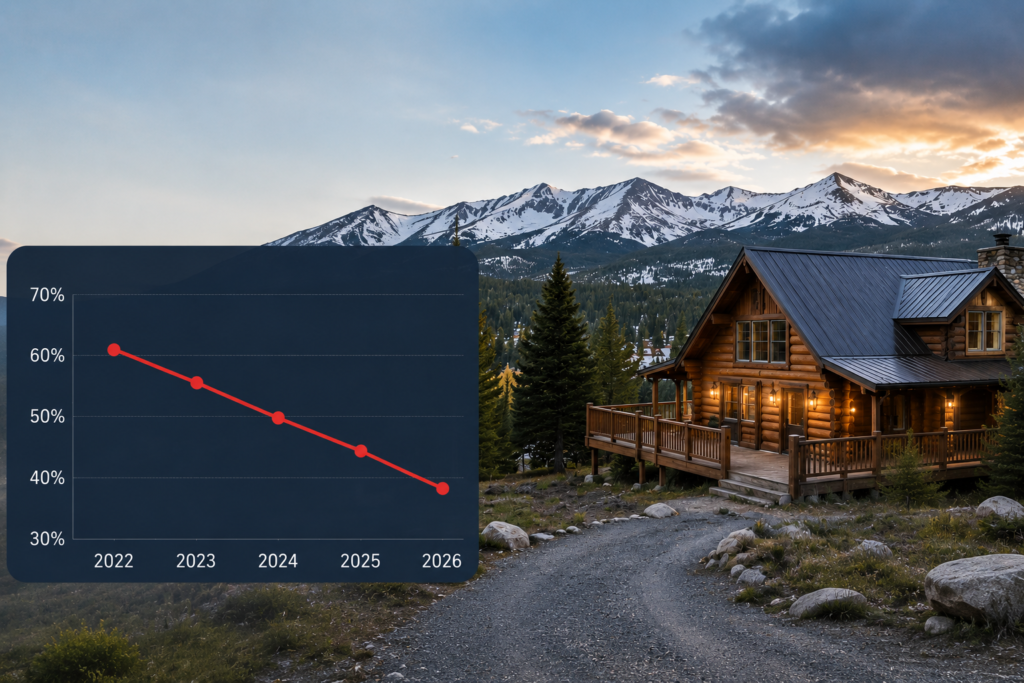
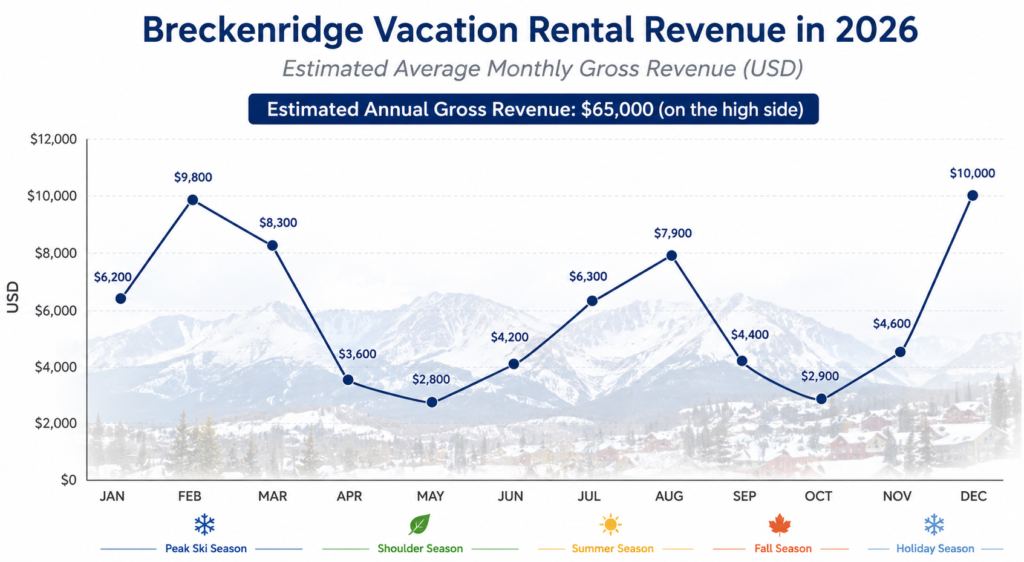
Market reports estimate annual gross vacation rental revenue in Breckenridge commonly falls between approximately $55,000 and $65,000 per year on average, though premium homes and professionally managed properties may perform significantly higher. Occupancy estimates range roughly between 45% and 60%+, while average daily rates (ADR) vary widely depending on season, property type, and location.
But averages only tell part of the story.
The Biggest Factors That Affect Vacation Rental Income
Two homes in Breckenridge can produce dramatically different results even if they are only minutes apart. Understanding the variables that influence earnings is essential.
1. Location Matters More Than Almost Anything
Properties closest to ski lifts, downtown Breckenridge, Peak 7, Peak 8, Main Street, or scenic mountain access generally command premium nightly rates.
Guests are often willing to pay significantly more for:
- ski-in/ski-out convenience,
- walkability to restaurants and shopping,
- mountain views,
- hot tubs with scenery,
- proximity to hiking and biking trails,
- and convenient parking.
Breckenridge continues to attract strong year-round visitation, with heavy winter demand and increasingly strong summer tourism thanks to outdoor recreation and festivals. Seasonal population surges remain substantial, helping support consistent vacation rental demand.
For example, a two-bedroom condo near Main Street may earn less total revenue than a luxury mountain-view home with premium amenities, even if both experience healthy occupancy.
Understanding the Revenue Equation
Vacation rental income is usually driven by three core metrics:
Occupancy × Average Daily Rate (ADR) × Booking Days
In simple terms:
- Occupancy = how often the property gets booked
- ADR = the average nightly rate guests pay
- Booking days = total nights sold
Recent market estimates for Breckenridge show:
- occupancy commonly ranging around 46%–61% depending on season and property type,
- average daily rates ranging from roughly $315 to $550+, especially for premium inventory and peak ski periods,
- annual gross revenues averaging around $57,000–$61,000 across active listings.
That said, averages can be misleading.
A professionally optimized property with excellent reviews, premium amenities, strong photography, and smart pricing can substantially outperform the market.
What Different Property Types Might Earn
Here is a simplified example of potential annual gross revenue ranges in 2026:
Small Condo or Studio
A smaller condo near town or ski access may generate:
Estimated annual gross revenue:
$35,000–$60,000+
Performance depends heavily on:
- location,
- HOA restrictions,
- ski access,
- parking,
- and amenities.
Mid-Size Family Condo or Townhome
A 2–4 bedroom property optimized for families or small groups may generate:
Estimated annual gross revenue:
$60,000–$120,000+
Features that improve performance include:
- hot tubs,
- fireplaces,
- upgraded kitchens,
- family entertainment areas,
- workspaces,
- pet-friendly accommodations.
Luxury Homes and Premium Mountain Properties
Large homes with views, premium interiors, and resort proximity may earn:
Estimated annual gross revenue:
$150,000+ to several hundred thousand dollars annually
Luxury guests often pay premium nightly rates during:
- Christmas,
- New Year,
- Presidents’ Day,
- spring break,
- summer festivals,
- ski weekends.
Seasonality Plays a Huge Role
One of the biggest realities of owning a Breckenridge vacation rental is seasonality.
Winter ski season remains the revenue engine of many properties. Occupancy can surge during holidays and powder weekends. Summer has also become increasingly important due to hiking, biking, festivals, weddings, and family travel.
However, slower shoulder seasons still exist.
Some market reports suggest occupancy swings can be dramatic — with peak winter months approaching extremely high utilization while spring shoulder periods may slow considerably. Managing seasonality effectively is one of the biggest differences between profitable and underperforming operators.
This means owners should budget carefully and avoid assuming every month performs like ski season.
Why Some Owners Underperform
Many vacation rental owners leave money on the table.
Common mistakes include:
- poor photography,
- outdated interiors,
- slow guest communication,
- weak reviews,
- fixed pricing year-round,
- poor calendar optimization,
- underinvesting in amenities.
The Breckenridge market has become more competitive, meaning professional execution matters more than ever. Owners who simply “set and forget” their Airbnb listing often struggle compared with professionally managed homes using real-time pricing and optimized marketing.
Don’t Forget Expenses
Gross revenue is not profit.
Owners must account for:
- cleaning,
- management fees,
- mortgage payments,
- utilities,
- insurance,
- maintenance,
- taxes,
- HOA dues,
- repairs,
- platform fees,
- licensing costs.
Breckenridge and Summit County continue to regulate short-term rentals, requiring licensing and compliance depending on location and zoning. Some zones also face caps or restrictions, making due diligence essential before purchase.
Before buying a property, investors should confirm:
- STR licensing eligibility
- HOA short-term rental rules
- local occupancy restrictions
- expected operating costs
- realistic seasonality assumptions
So, How Much Can You Earn?
In 2026, many Breckenridge vacation rentals still generate meaningful income and strong long-term appreciation potential.
A typical property may gross around $55,000–$65,000 annually, while exceptional homes can earn far more. Smaller condos may perform below that range, while premium luxury properties can dramatically exceed it. Success depends less on luck and more on professional management, dynamic pricing, property presentation, and guest experience.
For owners willing to operate strategically, Breckenridge remains one of Colorado’s strongest short-term rental opportunities in 2026.